Abweichende Bürozeiten während Karneval:
Do. 8.2.2024 ab 11:11 Uhr nur Notdienst
Mo. 12.2.2024 ganztätig nur Notdienst
Fr. 9.2. und Di. 13.2.2024 Bürozeit ab 9:30 statt 8:30 Uhr
Jetzt neu
Modernisierungs-Beratung für Websites
Ihre Website ist nicht mehr auf dem neuesten Stand? Wir prüfen den aktuellen Status geben Ihnen einen Überblick, was verbessert werden muss – schnell, einfach, zum Festpreis.

Digitalisierung für Bonn
Wir haben unsere Anbindungen und Core-Router auf 10 Gigabit/s erweitert.
Diese verfügen nun durchgehend über 10Gibt/s-Ports: Jede Menge erweiterbare Bandbreite für unsere Kunden.
Wer ist tops.net?
Wir sind regionaler Internet-Service-Provider (ISP) für Unternehmen in Bonn.
Wir helfen Unternehmen, indem wir
- Geschäftsprozesse im Internet abbilden,
- vertrauenswürdige Anwendungen und Infrastrukturen bereitstellen und betreuen,
- sichere und verlässliche Systeme konfigurieren und hosten,
- großen Wert auf persönliche Betreuung legen,
- bei der Digitalisierung ihres Unternehmens die nötige Infrastruktur und Software bereitstellen

EDV-Services
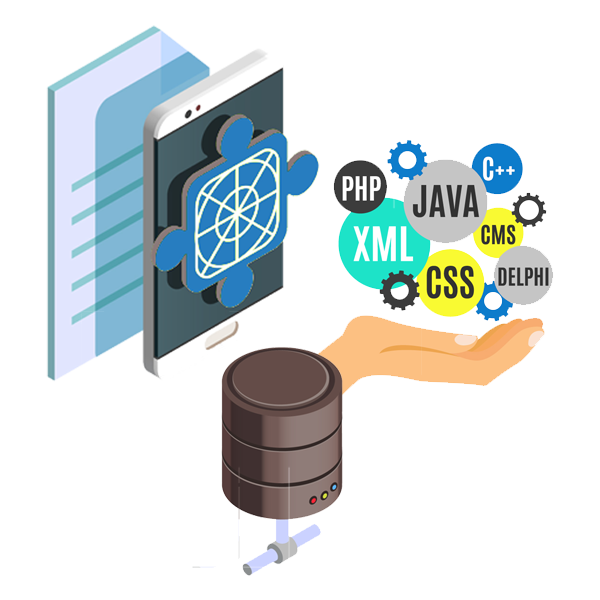
Website-Entwicklung
Wir sind spezialisiert auf die Entwicklung von Datenbankbasierten Websites, wie etwa Formular-basierte Antrag-Systeme für die öffentliche Mittelvergabe und für das Event-Management.
Auch TYPO3-Entwicklung, WordPress- und Magento-Integration, sowie PHP-Programmierung, CakePHP und MVC gehören zu unseren Schwerpunkten.

Internet-Dienste
Server-Housing, Webhosting und Domains-Services bekommen Sie bei uns aus einer Hand. Alle Webhosting-Pakete bieten wir nach Maß – auf Wunsch auch mit Update-Service.
Co-Location im Rechenzentrum direkt von Ihrer Haustür in Bonn, natürlich mit SSL-Verschlüsselung!

Consulting
Unsere langjährige Expertise in vielen Bereichen der Internet-Technologie erlaubt es uns, Ihnen auch Consulting-Leistungen anzubieten: Von der Analyse Ihrer aktuellen Website, über die Modernisierungs-Beratung Ihrer Web-Anwendung bis hin zum Konzept für die Digitalisierung Ihrer Verwaltungsprozesse: Auf uns als Partner können Sie zählen.
Unsere Skills
Arbeiten Sie mit erfahrenen Experten
tops.net gibt es seit nunmehr 27 Jahren. Wir haben uns schon früh und immer im Dienst von Unternehmen mit den Möglichkeiten auseinandergesetzt, die das Internet bietet. Profitieren Sie von unserem KnowHow.
Unser Selbstverständnis
Wir unterstützen Unternehmen und Institutionen dabei, das Internet und seine vielfältigen Möglichkeiten für ihren geschäftlichen Erfolg zu nutzen. Wir streben langfristige und verlässliche Geschäftsbeziehungen an. Dies möchten wir mit Zuverlässigkeit, hoher Qualität und Freundlichkeit gegenüber unseren Kunden erreichen.


Unsere TYPO3-Entwickler bringen 15 Jahre Erfahrung mit dem mächtigen CMS mit, das besonders für komplexe Anwendungen und große Websites geeignet ist.

WordPress ist für unsere WebDesigner das perfekte CMS, um kostengünstig und schnell Websites umzusetzen.

Unsere Anwendungsentwickler sind sattelfest in CAKE PHP, PHP und .net für die indiviuelle Software-Entwicklung.

Damit bei der Konfiguration und Verwaltung von Microsoft Exchange alles reibungslos läuft, sind wir zertifizierter Microsoft-Partner.
Sie haben Fragen?
Rufen Sie an – Wir helfen Gern!
Sie erreichen uns Montag bis Donnerstag
8.30 bis 17.00 Uhr und Freitag 8.30 bis 15.30 Uhr.
Telefon: 0228 9771 0

Stimmen unserer Kunden
Referenzen
„Manchmal muss ich noch suchen aber insgesamt komme ich mit dem WordPress schon gut klar.“
„Ganz ehrlich – nach nur einem halben Tag bin ich drin (…). Das Handbuch und die einfache Benutzersteuerung Ihrer Programmierung sind so genial, dass ich bisher allen helfen konnte!“
„Seit unserer Gründung begleitet uns tops.net in Sachen Web-Präsenz. Die Abwicklung unserer Projekte ist auch unter großem Zeitdruck immer flexibel und Termine werden gewissenhaft eingehalten.“
„Vom Angebot über die Konzeption und Planung bis hin zur Durchführung und zum Rollout: Wir können tops.net in Sachen Anwendungsentwicklung nur weiter empfehlen.“
„Super gemacht. Lieben Dank für die schnelle Erledigung. Ich bin froh mit Euch zusammen zu arbeiten.“
„TYPO3 ist für uns ein Content Management System, das wirklich keine Wünsche offenlässt. Und in Sachen Extension-Entwicklung für TYPO3 ist tops.net ein absolut zuverlässiger Partner.“
Externe Expertise
Unsere Partner